Solar Panel Grants & SEG Tariffs UK 2026: How to Get Paid for Energy
Solar panels can slash your energy bills, and with government grants and SEG tariffs, you can even earn money for the power you export. Find out how to claim both in 2026.

You can get money to help pay for solar panels, and even earn cash for the energy you send to the grid.
Government grants cut the upfront cost. The Smart Export Guarantee (SEG) pays you for extra electricity.
Here, we explain both schemes, who can get them, and how to apply – all in plain language.
What are solar panel grants in the UK in 2026?
A solar panel grant is money from the government to help you install renewable energy.
The big one right now is ECO4, part of the Energy Company Obligation. It runs until March 2026.
It mostly helps low‑income homes. You don’t pay the grant back.
There are also smaller local grants and 0% VAT on solar panels until 2027.
Who can get the ECO4 grant?
You qualify if you get certain benefits, and your home has a low energy rating.
Check the full rules on the government’s website. Your energy supplier must take part.
If you don’t qualify, don’t worry – other help is available.
Other ways to cut the upfront cost
You get 0% VAT on solar panels and batteries until March 2027. That saves around £2,000.
Some councils offer their own grants or interest‑free loans. Search your council’s website.
For an honest view on costs and savings, see our guide on how much solar panels cost in 2026.
What is the Smart Export Guarantee (SEG)?
The SEG is a scheme that pays you for every unit of electricity you send to the grid.
Big energy companies with over 150,000 customers must offer it. Smaller ones can choose to.
It replaced the old feed‑in tariff and works for any renewable electricity, not just solar.
The official rules are on the gov.uk SEG page.
How much can you earn from SEG?
Tariffs vary. In early 2026, most pay between 3p and 15p per kWh exported.
The average home sends about 1,500 kWh a year. That could earn you £50 to £225 annually.
Some smart tariffs pay more when demand is high. It’s worth shopping around.
To find a trustworthy installer who can set you up, see our solar energy companies page.
How to apply for solar panel grants
Start by checking if your energy supplier offers ECO4. Contact them or visit their website.
You’ll need to show your benefits letter and answer questions about your home.
If you’re not on benefits, ask your council about local schemes. Many are listed online.
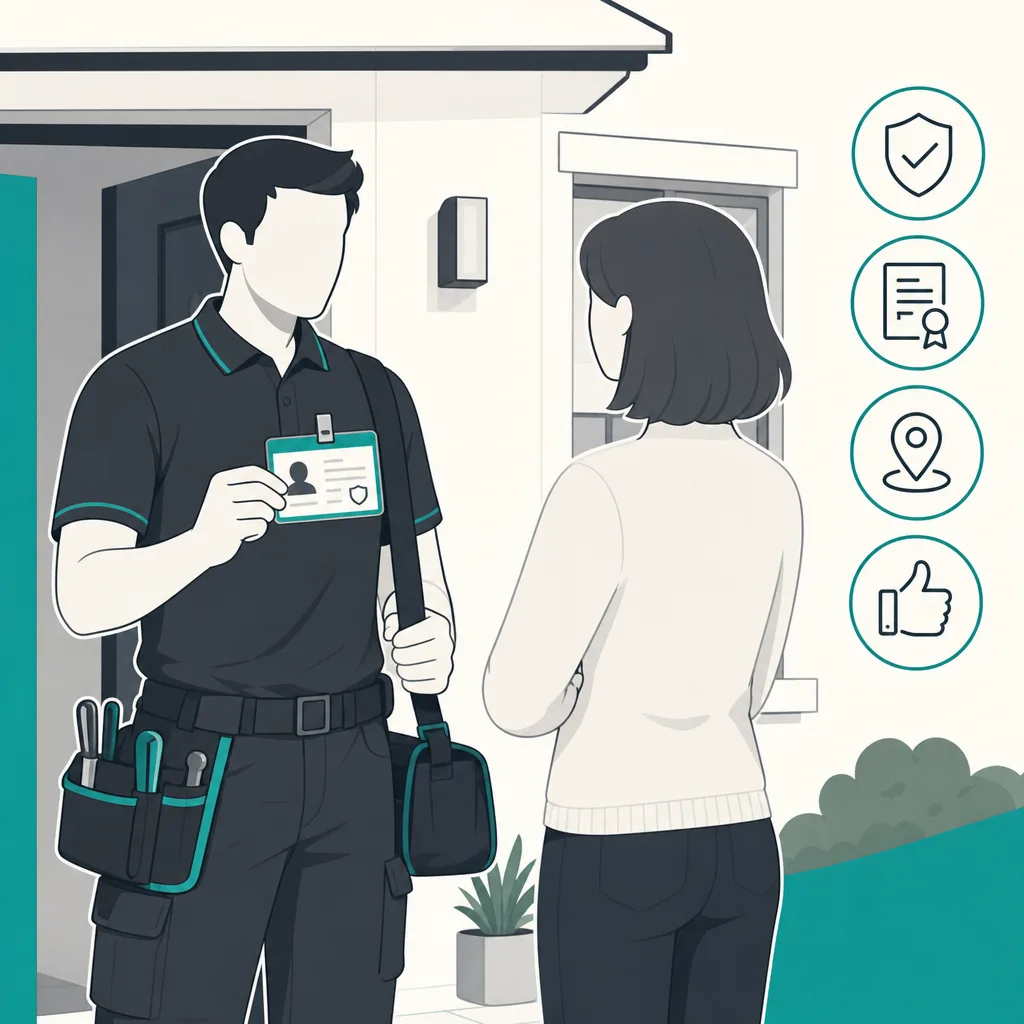
Always get several quotes before you commit. A good installer will help you with grant paperwork.
How to sign up for the SEG
You need a smart meter that can track exports. Your installer will make sure yours works.
Then, pick a SEG tariff from any licensed electricity supplier – not just the one you buy from.
Fill in a simple online form. You’ll need your MCS certificate (your installer gives you this).
Once approved, your supplier pays you either by bank transfer or as a credit on your bill.
For more tips on hiring a reliable pro, read our guide on how to choose a trustworthy professional.
Can you combine a grant and the SEG?
Yes. The grant reduces the cost of the panels. The SEG then pays you for the clean energy you make.
They are separate schemes. Getting one does not stop you getting the other.
Once your system is running, the SEG money goes directly to you. It’s a nice bonus on top of the savings.
What about battery storage?
Batteries let you store energy and use it later. You export less, but you buy less from the grid too.
The VAT cut also applies to batteries. Some grants help pay for them.
A battery can still be worth it. You’ll save more money than you’d lose from lower SEG payments.
Is solar a good investment in 2026?
Prices have dropped. With grants and SEG, a typical system can pay for itself in 7 to 9 years.
You lock in free electricity for 25 years or more. Energy bills will keep rising, so you’re protected.
Check the latest stats and independent reviews on Which? solar panel grants.
Top tips before you start
- Always get at least three quotes. Prices vary widely.
- Check the installer is MCS certified. SEG requires it.
- Ask about warranty. Good panels last 25 years, inverters 10.
- Don’t rush. Read reviews and see our guide on reading online reviews.
If you need other work done first – like roof repairs – our roofing contractors can help.
Common mistakes to avoid
Don’t skip the paperwork. Without an MCS certificate, you can’t get SEG.
Don’t assume the cheapest quote is best. Cheap panels degrade faster.
Don’t forget to tell your home insurer. Solar panels can increase your rebuild value.
How does the SEG compare to the old feed‑in tariff?
The old feed‑in tariff paid much more – up to 15p per kWh generated, plus an export bonus.
Today’s SEG is simpler. It only pays for what you actually export, not for generation.
But solar panels are now much cheaper, so the overall deal is still good.
For a deep dive into choosing any pro, visit our guides hub.
Do I need planning permission for solar panels?
Most homes don’t need it. Panels are usually “permitted development”.
Flat roofs, listed buildings, or conservation areas may need extra checks. Ask your council.
A good solar energy company will handle permits for you.
Final checklist for going solar in 2026
- Check if you qualify for grants (ECO4, local schemes).
- Get quotes from trusted installers.
- Confirm the VAT discount on your invoice.
- Ensure a smart meter is fitted.
- Choose the best SEG tariff for your needs.
Once everything is running, sit back and watch your bills fall. You’ll also help the planet.