How Much Do Solar Panels Cost in the UK in 2026? (Real Price Guide)
Wondering what solar panels really cost in the UK? Our 2026 price guide breaks down typical expenses, installation factors, savings projections, and where to find honest quotes from vetted professionals.
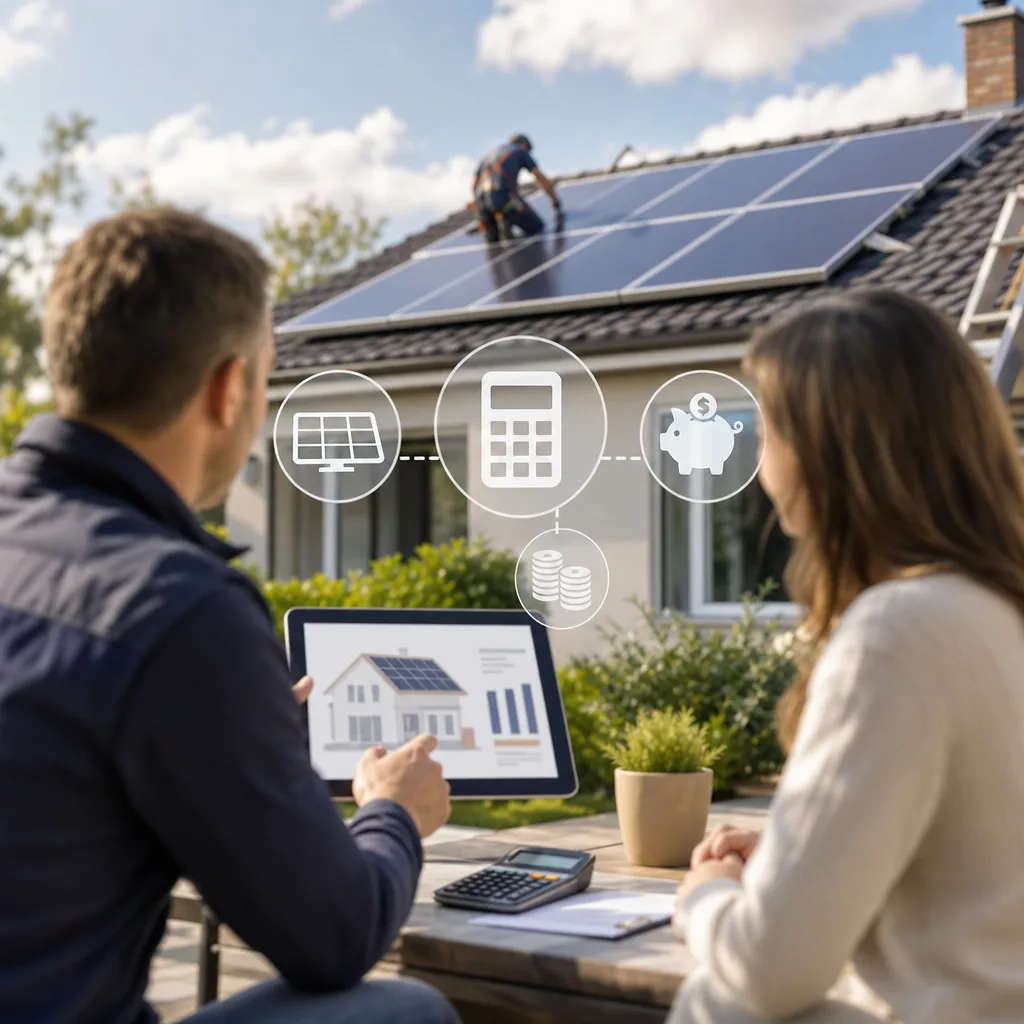
More UK households are turning to solar energy as electricity bills rise. But many people still ask the same question. How much do solar panels actually cost in 2026?
The short answer is that a typical home system costs between £5,000 and £9,000. That includes panels, an inverter, and professional installation. Your final price depends on several factors.
This guide walks you through the real costs. You will learn what affects the price and how to compare quotes fairly. We also show you how to find reliable installers.
If you are ready to explore your options, TrustValet's directory of solar energy companies connects you with vetted professionals.
How Much Do Solar Panels Cost on Average?
Prices vary, but a 4 kilowatt (kW) residential system is a common choice. In 2026, you can expect to pay roughly £6,000 to £8,000 for that size. Smaller 3kW systems start around £5,000.
Larger systems, such as 6kW, cost £8,000 to £10,000. These are estimates for a straightforward roof installation. They include standard monocrystalline panels.
A Which? survey found similar price bands across the UK. You can read the latest Which? solar panel cost guide for further data.
Cost by System Size
A smaller 3kW system might be enough for a two-bedroom home. It costs around £5,000 to £6,000.
A 4kW system suits a three-bedroom house. Its typical price is £6,500 to £7,500.
Larger families often choose a 5kW or 6kW system. These cost £7,500 to £10,000. More panels mean more energy.
Battery Storage Costs
Adding a battery lets you store excess solar electricity. This can increase your upfront cost by £2,000 to £5,000. The exact amount depends on the battery capacity.
A 5kWh battery is popular for average homes. It adds roughly £3,000 to the quote. You may save more on bills with a battery.
Many installers offer packages that include panels and a battery. Compare these against your daily energy usage.
What Factors Influence the Price of Solar Panels?
Several things change the total cost. Knowing them helps you understand any quote you receive.
Roof Type and Installation Complexity
A simple, south-facing roof is the easiest to work on. Slate or tile roofs rarely add extra scaffolding charges. But a flat roof often needs special mounting frames.
Your roof's condition matters. If it needs repairs, you may need a roofing contractor first. Always factor that into your overall budget.
Three-storey homes or steep pitches can increase labour time. Installers may charge more for additional safety equipment.
Panel Type and Efficiency
Monocrystalline panels are the most efficient but slightly pricier. Polycrystalline panels cost a bit less but produce less power. Both are common in UK homes.
Premium brands like SunPower or LG cost more. They often come with longer warranties. Budget panels work well but may degrade slightly faster.
Labour and Location
Installation labour typically makes up 20 to 30 percent of the price. Rates are higher in London and the South East. Northern regions sometimes enjoy slightly lower fitting costs.
Always check that the installer is MCS-certified. This is essential for grant eligibility. The electrical side must be handled safely.
A qualified electrician will connect your system to the fuse board. That work is usually included in the turnkey price.
Are There Government Grants or Incentives for Solar Panels in 2026?
Yes. Although the upfront cost can feel high, two key schemes help. They are the Smart Export Guarantee and VAT relief.
Smart Export Guarantee (SEG)
The SEG requires energy suppliers to pay you for surplus electricity. Rates vary from 3p to 15p per kWh. It's not a grant, but it improves your payback.
You must use an MCS-certified installer to qualify. Check the latest tariff rates on the official government Smart Export Guarantee page.
VAT Relief
From 2022, VAT on solar panels dropped to 0 percent for residential installations. This saving is already reflected in most quotes. It reduces the total price by hundreds of pounds.
How Much Can You Save with Solar Panels?
Savings depend on how much electricity you use during the day. A typical home can cut bills by £300 to £600 each year. Add SEG payments for even better returns.
A household that shifts usage to daytime saves more. Running appliances while the sun shines reduces grid imports.
For personalised consumer advice, visit the Citizens Advice solar panels page.
Electricity Bill Savings
On a 4kW system, expect annual savings of around £350. If you have a battery, this could rise to £500 or more.
With energy price forecasts for 2026, savings might increase. Higher grid rates make solar electricity even more valuable.
Payback Period
Most systems pay for themselves in 8 to 12 years. A 4kW system with SEG often breaks even in under a decade. After that, you enjoy nearly free electricity.
Panels last 25 years or more. That leaves many years of pure savings. Even without a battery, the long-term benefits are strong.
How to Get Accurate Solar Panel Quotes
Getting multiple quotes is essential. Aim for at least three. Make sure each quote itemises equipment, labour, and any scaffolding.
A good quote will state the panel brand, inverter model, and warranty terms. Don't accept vague one-line estimates.
Ask about aftercare and monitoring. Some installers include an app to track your system's performance. This transparency builds trust.
When you are ready to compare quotes, visit our solar panel installer listings. You can view profiles and real customer feedback.
Also explore our complete guides library for more tips on hiring home service professionals.
Choosing a Trustworthy Solar Panel Installer
An MCS certification is the minimum requirement. Also look for membership in RECC or HIES. These bodies offer extra consumer protection.
Read online reviews carefully. Look for patterns. A few negative reviews are normal, but repeated complaints about missed appointments or poor aftercare are red flags.
Follow our complete guide to choosing a trustworthy professional. It shows you what to check before you sign a contract.
Before you hire anyone, ask the right questions. Use our list of 7 questions you should ask. It covers warranties, timeline, and guarantees.
Remember that a trusted installer will happily answer your queries. They won't pressure you into a decision. A good relationship from the start leads to a smoother project.
For any other home upgrade, browse our home improvement category. We list professionals for roofing, electrical work, and many other trades.
Final Thoughts on Solar Panel Costs
Solar panels remain a solid investment in 2026. The initial outlay may feel steep, but the long-term savings are real. With the right system, you can beat rising electricity prices.
Take your time to compare quotes. Focus on installer reputation, not just the lowest price. A quality installation will pay dividends for decades.
We hope this price guide helps you plan. When you feel ready, let TrustValet connect you with local, trusted solar energy companies. Your journey to cleaner, cheaper energy can start today.