Are Solar Panels Worth It in the UK in 2026? Savings & Payback Explained
With high energy prices, many UK homeowners wonder if solar panels are a smart investment in 2026. This guide explains installation costs, possible savings, and typical payback times.
Electricity bills have climbed steeply across the UK in recent years.
Many families are searching for ways to bring those costs down.
Solar panels often come up as a popular solution.
But are they still a smart buy in 2026?
This guide gives you the honest facts you need to decide.
We will cover the real costs, likely savings, and how long it takes to break even.
You will also learn about the Smart Export Guarantee and other incentives.
By the end, you can weigh up the pros and cons for your own home.
How Do Solar Panels Work?
Solar panels use photovoltaic cells to turn sunlight into electricity.
Even on cloudy days, they still generate some power.
An inverter then changes the direct current into usable alternating current.
You can use that electricity to run your lights, appliances, and heating.
Any surplus can be sold back to the grid under the Smart Export Guarantee.
A battery can store extra energy for use at night.
What Are the Costs in 2026?
Solar panel prices have dropped a lot but are now levelling off.
A typical 4kW system in the UK costs between £5,000 and £7,000.
That includes panels, inverter, scaffolding, and fitting.
Larger systems of 5kW to 6kW can range from £6,500 to £9,000.
Get at least three quotes from local solar installers to compare.
Always confirm the price covers everything, including any roof work.
For a deep dive into pricing, see our detailed solar panel cost guide.
Remember, 0% VAT applies on installations until 2027.
What Drives the Price Up or Down?
System size is the biggest factor.
Bigger systems cost more but can generate more electricity.
High-efficiency panels add a premium of around £500 to £1,000.
Complex roofs with multiple angles or slate tiles increase labour time.
If your fuse box needs upgrading, you may need an electrician.
Roof repairs add cost too, so have a roofing contractor inspect beforehand.
How Much Can You Really Save?
Savings come from using your own free electricity instead of buying from the grid.
You also earn money from exporting excess power under the SEG.
A well-sited 4kW system can produce about 3,400 kWh per year.
The average UK home uses around 2,700 kWh annually.
So, you could cover most of your daytime energy needs.
Your total annual saving might be between £400 and £700.
That includes around £250 to £400 in bill savings and £100 to £300 in export payments.
The exact figure depends on your energy tariff and usage habits.
Real Example
Imagine you pay £6,000 for your system.
If you save £550 each year, it takes about 11 years to recoup your money.
After that, you get free electricity for the next 14 years or more.
If energy prices rise, your savings grow even faster.
Payback Period: How Long Is the Wait?
Payback period means the time needed for savings to match the upfront cost.
Most UK homes today see a payback of 9 to 14 years.
Several things affect this timeline.
- Electricity price: Higher rates mean quicker payback.
- System cost: A lower installation price shortens the break-even point.
- Sun exposure: A south-facing roof generates more power.
- Self-consumption: Using more of your own electricity reduces what you buy.
- SEG rate: A generous export tariff adds to your income.
If you have an electric car or heat pump, you may use more solar electricity at home.
That can bring your payback down to 7 or 8 years.
Government Support and Incentives
The main scheme is the Smart Export Guarantee (SEG).
It requires large energy companies to pay you for exported electricity.
You can find the latest rates on the GOV.UK SEG page.
Rates vary from about 5p to 15p per kWh.
You must have an MCS-certified installation to qualify.
In Scotland, extra support is available through Home Energy Scotland.
They offer grants and interest-free loans for solar and battery systems.
Zero per cent VAT on solar installations remains in place across the UK.
Should You Add a Battery?
A battery stores electricity you do not use during the day.
You can then run your home on solar power after sunset.
Batteries cost between £2,500 and £6,000.
They can cut your grid usage even further.
If you are away during most daylight hours, a battery is very helpful.
However, batteries also require more upfront money.
Many people pair batteries with electric vehicle use.
Without a battery, you rely on the SEG for daytime exports.
Is Your Roof a Good Fit?
A south-facing roof with a 30- to 40-degree pitch is ideal.
East- or west-facing roofs can still work, though output drops by 15 to 20 per cent.
North-facing roofs in the UK rarely generate enough to be worthwhile.
Watch out for shading from trees, chimneys, or neighbouring buildings.
You need at least 15 to 20 square metres of clear roof space.
Have a structural survey done by a professional roofer.
Your roof must be strong enough to hold the panels for 25 years.
If repairs are needed, sort them before installation.
How to Choose a Reliable Installer
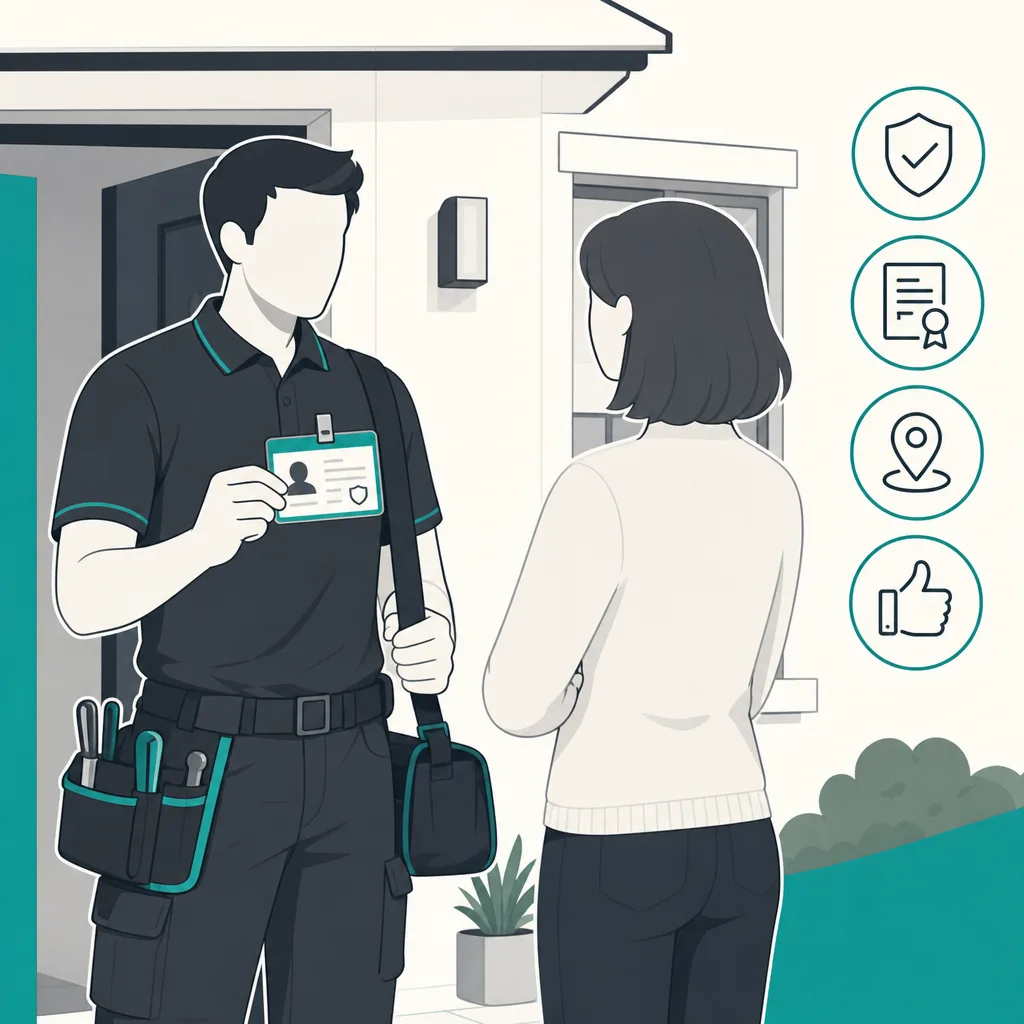
Picking a trustworthy installer is one of the most important steps.
Ask for their MCS certificate and check it online.
Membership of the Renewable Energy Consumer Code is a good sign.
Read recent independent reviews with a critical eye.
Our guide on reading online reviews can help you spot fakes.
For more tips, see our guide on how to choose a trustworthy professional.
Get at least three written quotes and compare them line by line.
Check what warranties you get – 25 years for panels, 10 for the inverter is typical.
Use TrustValet to find trusted solar panel installers who have been vetted.
Always read the contract carefully and never pay the full amount upfront.
Pitfalls to Watch Out For
Do not choose the cheapest quote without checking quality.
Very low prices often mean poor equipment or rushed work.
Ignore high-pressure salespeople who push you to sign today.
Be realistic about maintenance costs – inverters may need replacement after 10 years.
Do not forget that solar panels slightly reduce your roof’s lifespan if not installed properly.
Check that your home insurance covers solar panels.
Some policies require you to inform them of any changes to the roof.
The Bottom Line: Worth It in 2026?
For most UK homes with a good roof, the answer is yes.
A typical payback of 9–14 years leaves many years of profit after that.
Solar panels also shield you from rising electricity prices.
If you intend to stay in your home for a decade or more, the maths works.
Even if you move, solar panels can add value to your property.
Pair them with a battery for the best financial outcome.
Start by getting multiple quotes from vetted local installers.
For more expert advice, visit our guides hub.
Making your home greener has never been more affordable.