Solar Battery Storage UK 2026: Is It Worth Adding to Your System?
With UK energy prices still high, many homeowners wonder if solar battery storage is a smart investment. We explain the real costs, potential savings, and key factors to help you decide.
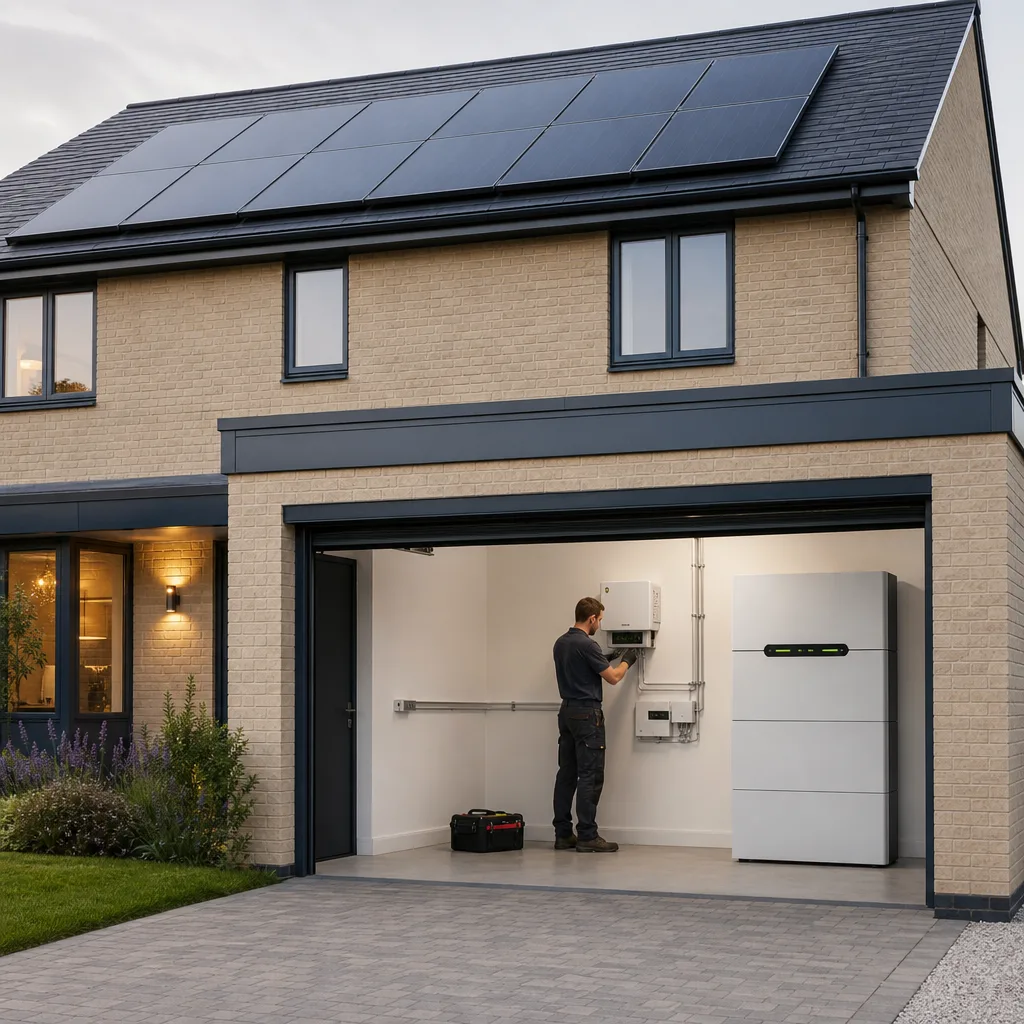
Solar panels are a brilliant way to generate your own electricity. But what happens when the sun goes down? That is where battery storage comes in. It lets you save extra energy for later use.
In 2026, battery technology keeps improving and prices have dropped. Yet, it is still a big purchase. You need to know if it will truly pay off for your home.
This guide walks you through the costs, savings, and real-world benefits. You will also learn how to pick a reliable installer and avoid common mistakes. If you are considering a solar and battery system, a qualified solar installer can assess your home.
How Solar Batteries Work
Storing Sunlight for Later
Your solar panels often make more power than you need during sunny afternoons. Without a battery, that surplus goes back to the grid. With a battery, it is stored for you to use in the evening or on cloudy days.
Think of it like a rechargeable power bank for your house. It charges up when the sun is bright. Then it releases energy when your panels are not producing enough.
Types of Solar Batteries
Most home systems today use lithium-ion batteries. They are compact, long-lasting, and efficient. Some older setups might have lead-acid batteries, but these are bulkier and need more care.
Lithium iron phosphate (LiFePO4) batteries are now a popular choice. They are safer and can handle more charge cycles. This makes them ideal for daily use in UK homes. New solid-state batteries are on the horizon, but they are still a few years away from the mass market. Independent tests by Which? can help you compare models.
Benefits of Adding Battery Storage in 2026
Cutting Your Electricity Bills
Using stored solar energy instead of buying from the grid can shrink your bills. Most households use more power in the mornings and evenings. That is exactly when your battery kicks in.
In 2026, electricity prices remain high. So every unit you save from the grid adds up quickly. You could cut your annual bill by hundreds of pounds.
Energy Independence
Relying less on the big energy suppliers feels good. You become more self-sufficient. Power cuts become less of a worry if you have a battery backup.
Some batteries can even power your home during a grid outage. This feature is called backup or emergency power. It is a comfort many UK homeowners now value.
Protection Against Price Rises
Energy prices can jump unexpectedly. A battery helps shield you from future hikes. You will buy less electricity at whatever rate the market sets.
It is like fixing your energy costs in advance. The sun will not send you a bill. That is a long-term peace of mind you cannot put a price on.
What Does a Solar Battery Cost in 2026?
Typical Prices and Installation
A solar battery system in the UK now costs between £2,500 and £8,000, depending on size and brand. Installation adds another £500 to £1,500. A small 3-4 kWh battery might cost £2,500-£3,500, while a larger 8-10 kWh unit can run £5,000-£8,000.
Popular models from brands like Tesla Powerwall or GivEnergy fall in the middle range. Smaller budget options are available for under £3,000. Always get quotes from at least three installers. You can dig into all the numbers in our solar panel cost guide.
Are There Government Grants?
There are no specific grants for batteries alone in 2026. However, you can still benefit from the Smart Export Guarantee (SEG). You get paid for any electricity you send to the grid.
Some local councils or energy schemes may offer support. Check Citizens Advice for the latest help available. It is worth a quick look before you buy.
Are Battery Costs Still Falling?
Since 2020, lithium battery prices have dropped by around 30%. This trend continues as manufacturing grows. More UK homeowners can now afford a storage system.
Industry analysts note that average pack prices hit around £100 per kWh in 2025. This makes home storage more affordable than ever. Still, waiting a year could bring small further savings.
Is Battery Storage Worth It for You?
Calculating Payback Time
The big question: how soon will the savings cover the upfront cost? Most UK homes see a payback period of 7 to 12 years. This depends on your electricity usage and the size of your system.
For example, if you spend £5,000 and save £500 per