Heat Pump vs Solar Panels: Which Is Better for a UK Home in 2026?
Confused between a heat pump and solar panels? This guide compares costs, savings, and home suitability to help you decide.
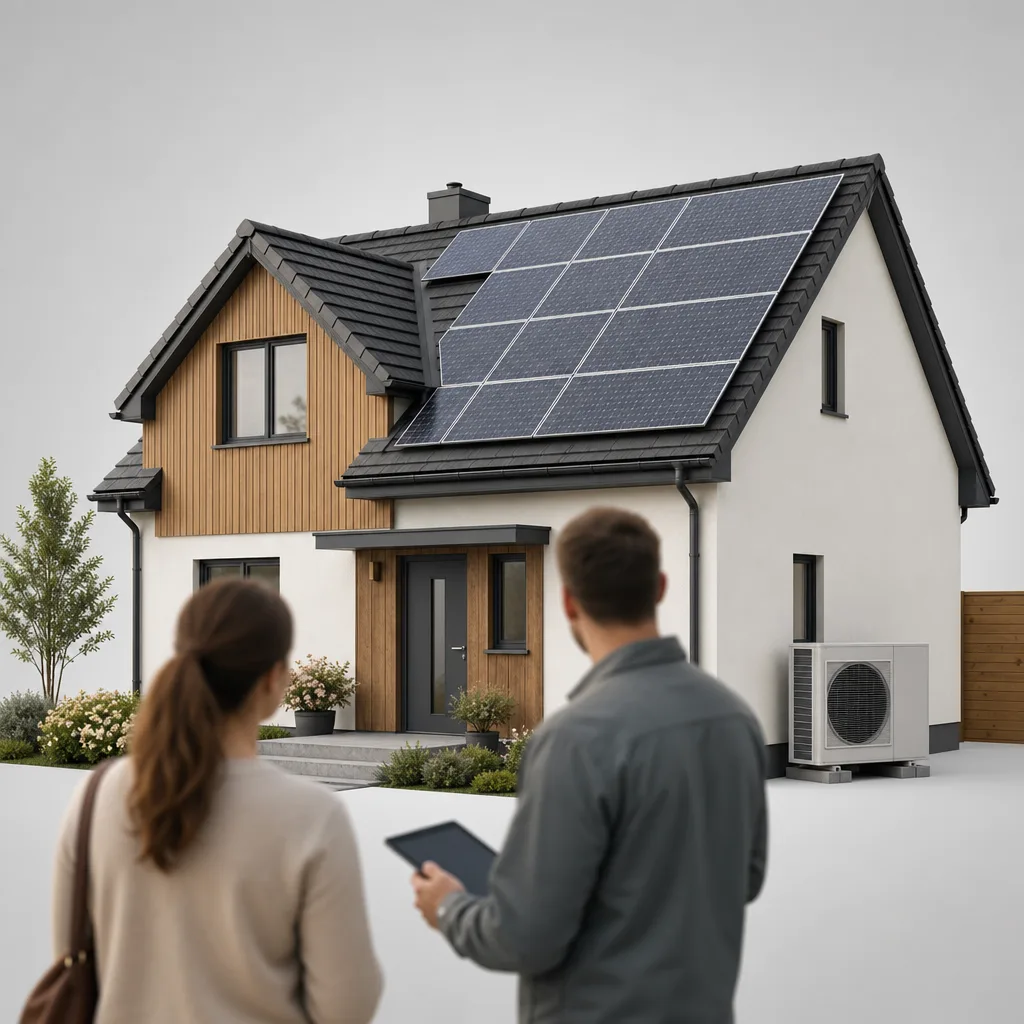
Energy bills are high. Many UK homeowners want a greener, cheaper way to heat and power their homes. Heat pumps and solar panels are two popular options. But which one is right for you in 2026?
Both technologies cut carbon and can lower long-term costs. Yet they work in different ways and suit different properties. This guide compares heat pumps and solar panels, so you can make a confident choice.
How Heat Pumps and Solar Panels Work
Before we compare costs, let us look at how each system actually works. Understanding the basics helps you see what each one needs from your home.
How a heat pump works
A heat pump takes warmth from the air or ground outside. It compresses this heat to a higher temperature and then moves it into your home. You can use it for central heating and hot water.
Air source heat pumps are the most common in the UK. They sit outside, like an air conditioning unit. Ground source heat pumps need buried pipes in your garden. Both run on electricity, not gas.
Heat pumps work well with underfloor heating or large radiators. They produce a steady, lower heat than a gas boiler. This means your home needs good insulation to keep the warmth in. You may need to upgrade your HVAC system to suit a heat pump.
How solar panels work
Solar photovoltaic (PV) panels turn sunlight into electricity. They sit on your roof or in your garden. The electricity can power your lights, appliances, and even a heat pump if you have one.
You can store extra energy in a battery. That way, you use it at night or on cloudy days. Any leftover electricity can be sold back to the grid through the Smart Export Guarantee (SEG).
Solar panels generate free electricity, lowering your bills. They need a sunny spot, ideally a south-facing roof without much shade. A professional solar energy company can check if your home is suitable.
Costs and Savings: 2026 UK Figures
Money matters. Let us look at what you might pay in 2026 and how quickly each system pays for itself. Keep in mind that prices can vary by installer and property.
Heat pump installation costs
A typical air source heat pump costs between £8,000 and £16,000 to install. Ground source systems can be £15,000 to £35,000. You may need extra work like larger radiators or better insulation, adding to the total.
The UK government offers a Boiler Upgrade Scheme grant. Until 2028, you can get £7,500 off an air or ground source heat pump. Visit the official Boiler Upgrade Scheme page for full details.
This grant brings your upfront cost down. But you might still pay more than for a new gas boiler. Over time, a heat pump can lower your energy bills if you switch from oil, LPG, or electric heating. Savings compared with a gas boiler are smaller because gas is cheaper per unit.
Solar panel installation costs
A typical 3.5kW solar panel system costs about £5,000 to £8,000. Battery storage adds £2,000 to £5,000. Our detailed guide on solar panel pricing breaks down the numbers further.
You can earn money by exporting unused electricity via the SEG. Payments vary but some firms offer up to 15p per kWh. This helps the system pay for itself faster.
Most systems pay back in 8 to 12 years. After that, you enjoy free electricity for the remaining 15 to 20 years of panel life. A good electrician is essential for a safe, efficient setup.
Running costs and bill savings
A heat pump uses electricity to run. If your electricity costs 28p per kWh and your heat pump is 300% efficient, you pay about 9.3p per kWh of heat. Gas boilers are around 90% efficient, with gas at 7p per kWh, giving roughly 7.8p per kWh of heat. So heat pumps can be slightly more expensive to run than gas unless you have solar panels.
Solar panels cut your electricity bills directly. You use less grid power, saving around £300 to £600 per year depending on usage and system size. If you combine both, a heat pump can be powered partly by your own solar energy, maximising savings.
Which Suits Your Home?
Not every home is right for these technologies. Your property type, space, and current setup matter a lot.
Property type and insulation
Heat pumps need a well-insulated home to be efficient. Newer homes with double glazing and cavity wall insulation are ideal. Older, draughty homes may need costly insulation upgrades first.
Solar panels are less picky. They work on any home with a strong, sunny roof. But a shaded or north-facing roof will reduce output. A professional roofing contractor can check your roof is in good shape before you install panels.
Available space and orientation
An air source heat pump needs a spot outside your home with good airflow. It should be away from neighbours' windows to minimise noise. Ground source heat pumps need a large garden for digging trenches.
Solar panels need a roof area of about 15 to 25 square metres for a typical system. Ground-mounted panels are an option if you have land. Check with a home improvement specialist about the best setup for your space.
Existing heating system
If you have a modern gas boiler, switching to a heat pump is a big change. You might want to wait until your boiler needs replacing anyway. If you use oil, LPG, or electric heating, a heat pump can pay back much faster.
Solar panels generally work alongside any heating system. They reduce your overall electricity use, which helps lower bills whatever you use for heating.
Environmental Credentials
Many of us go green to help the planet. Both options slash your home's carbon footprint. But they do so in different ways.
Carbon savings
A heat pump replaces a gas or oil boiler. Since the UK grid is getting cleaner, the electricity it uses causes lower emissions. A typical home can save about 2.5 tonnes of CO2 per year by switching from a gas boiler, according to Which? heat pump reviews.
Solar panels produce zero carbon electricity. A 3.5kW system saves roughly 1 tonne of CO2 annually. Over 25 years, that is a large impact. Citizens Advice offers clear solar panel guidance including environmental benefits.
Together, they can make your home a low-carbon powerhouse. You heat your home and water using clean electricity you generate yourself.
Grid dependency and future
A heat pump still relies on grid electricity, especially in winter when solar output is low. But the grid is getting greener, so its emissions fall every year. Batteries help shift solar energy to evenings, reducing grid pull.
Solar panels give you more independence. With a battery, you can use your own power even after the sun sets. This protects you from rising energy prices in the long run.
Can You Combine Heat Pumps and Solar Panels?
Yes, and this combination is growing in popularity. When you pair them, your solar panels can provide some of the electricity your heat pump uses. This slashes your heating bills even further.
Still, a heat pump uses a lot of power in winter. A standard solar array might only cover a portion of that demand. You will still need grid electricity during the coldest months. A large battery helps store summer sun for later, but it adds cost.
Talk to a solar energy company that understands both systems. They can design a setup that works well together.
Smart integration for maximum savings
Modern systems can be linked with smart controls. For example, your system can choose to run the heat pump when your solar panels are generating the most power. Or it can charge your battery with cheap off-peak grid electricity in winter.
Such integration makes the most of every kWh. It can pay for itself faster than separate systems. Our guides index has more tips on smart home energy.
How to Decide: 5 Key Questions to Ask
Choosing between a heat pump, solar panels, or both depends on your situation. Ask yourself these questions.
- How efficient is your home's insulation?
- What is your current heating fuel?
- Do you have a sunny, unshaded roof?
- Can you afford the upfront cost comfortably?
- How long do you plan to stay in your home?
A home with poor insulation might need upgrades before a heat pump is feasible. If you have a gas boiler, solar panels may give a quicker payback. But if you use oil or electric heating, a heat pump could save more. A sunny roof makes solar a no-brainer. Your budget and future plans also matter. Read our guide on choosing a trustworthy professional to find honest advice.
For many UK homes, the best path is to start with solar panels and a battery. Then add a heat pump down the line, especially if your boiler is old. Or go all in if you want maximum carbon cuts now.
Remember to read reviews carefully. Our guide on spotting genuine reviews can help you pick a reliable firm.
Wherever you begin, always get at least three quotes. Compare the proposals closely. And check the installer's credentials and past work. TrustValet can connect you with vetted professionals for solar panels, heat pumps, and any other home improvement needs.