House Extension Cost Guide UK 2026: Single & Double Storey Prices
Thinking of adding space to your home? Our 2026 guide breaks down the real costs of single, double, and wrap-around house extensions. Learn about planning permission, hidden expenses, and how to find a trustworthy builder.
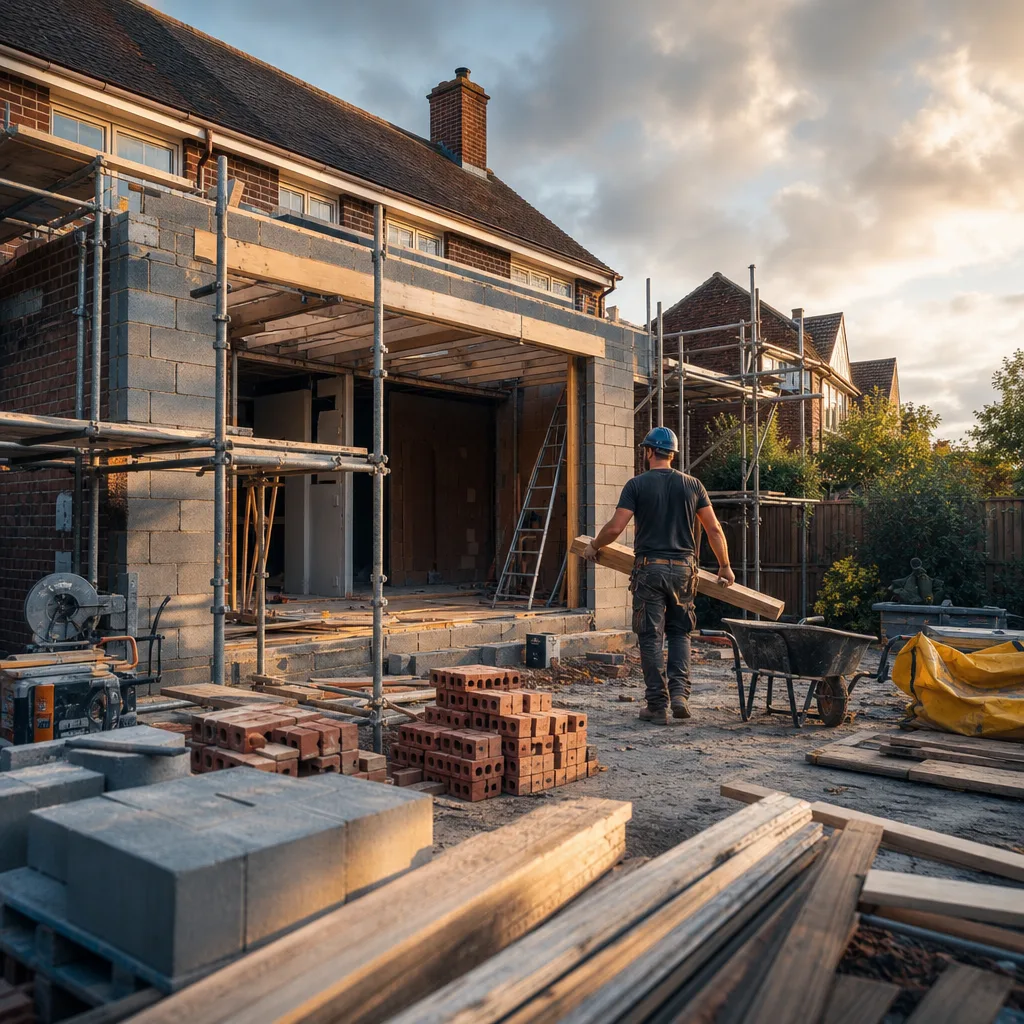
Planning a house extension in 2026? You are not alone. Many homeowners choose to add space rather than face the cost and stress of moving.
This guide breaks down current UK costs for single-storey, double-storey, and wrap-around extensions. You will learn what to budget and how to avoid nasty surprises.
Types of House Extension
Most extensions fall into a few common designs. Each type suits different budgets and properties.
Single-Storey Extension
A single-storey extension adds ground-floor living space. It is the most popular choice for kitchens or family rooms.
Costs are usually lower than a double-storey build. You may not need as deep foundations or complex steelwork.
Double-Storey Extension
This expands both the ground floor and first floor. It is a bigger project but can add much more value.
Structural work is more involved. You will need steels to support the new upper floor and a larger roof.
Wrap-Around Extension
A wrap-around combines a side-return and rear extension. It creates a large, open-plan kitchen-diner-family space.
This shape often needs more foundation work and can be pricier per square metre. Planning rules can be trickier here too.
Average Extension Costs in 2026
Prices vary across the UK, but these figures give you a solid starting point. Always get several detailed quotes.
According to a recent Which? guide, a basic single-storey extension can start from around £1,500 per square metre. (Which? extension costs)
- Basic single-storey (20 m²): £30,000 – £45,000
- Good-quality single-storey (30 m²): £45,000 – £75,000
- Double-storey (40 m² ground, 30 m² first): £80,000 – £130,000
- Wrap-around (40 m²): £60,000 – £95,000
These prices include standard finishes. High-spec kitchens, bi-fold doors, or underfloor heating push costs higher.
Factors That Affect Your Price
Many things influence the final bill. Understanding them helps you budget more accurately.
Location
Labour and material costs are higher in London and the South East. You may pay 20–30% more than in the North.
Rural sites might involve extra transport costs. Access for machinery can also affect the price.
Ground Conditions
Poor soil can mean deeper foundations. You might need a soil survey if you are on clay or sand.
Unforeseen issues like tree roots or old drains add to the bill. Always keep a 10–15% contingency fund.
Design Complexity
A simple box shape is cheaper than curves or unusual angles. Roof design matters too.
Flat roofs can be cheaper but need good waterproofing. Pitched roofs often blend better with older homes.
Internal Finishes
Your choice of kitchen, bathroom, flooring, and painting pushes costs up or down. A budget kitchen might be £5,000, while a high-end one can be £20,000.
Specialist flooring from a good Flooring Services company adds warmth and style. Likewise, fresh work by local Painters finishes the space perfectly.
Services and Trades
Extensions need electrics, plumbing, heating, and possibly drainage. Every trade adds cost.
You will almost certainly need a qualified Electricians team. A registered Plumbers fit new bathrooms or kitchen sinks safely.
Planning Permission and Building Regulations
Not every extension needs full planning permission. Many fall under permitted development rights.
However, rules are strict about height, width, and distance to boundaries. You can check the details on the official gov.uk planning portal.
Even if you skip planning, you must meet building regulations. These cover structure, fire safety, insulation, and drainage.
Your builder or architect usually handles this. You may need a structural engineer for steel calculations.
For extra peace of mind, the Citizens Advice home improvements page explains your rights if things go wrong.
How to Find a Trustworthy Builder
Picking the right team is the most important step. A bad builder can cost you time and money.
Start with our guide on How to choose a trustworthy professional: the complete guide. It walks you through every step.
Get at least three detailed quotes. Check references and see recent work in person.
A good Home Remodeling Contractors firm will manage the whole project. They bring in trusted subcontractors for the roof, windows, and plastering.
For a strong weathertight shell, you need reliable Roofing Contractors. And if you are adding a new bathroom, a specialist in Bathroom Remodeling Contractors is worth their weight in gold.
Do not forget windows and doors. Professional Window & Glass Services ensure proper fitting and energy efficiency.
Hidden Costs to Budget For
Many extras can sneak up on you. Being ready for them keeps your budget on track.
Architect or Designer Fees
Plans and structural drawings can cost £2,000–£5,000. This depends on the project size.
Some builders offer design-and-build packages. Get a clear breakdown so you know what you pay for.
Party Wall Agreements
If you build near a neighbour, you may need a party wall agreement. Surveyor fees can be £700–£1,000 per neighbour.
This is a legal requirement under the Party Wall Act. Ignoring it could lead to disputes.
Site Insurance and Warranties
Your home insurance may not cover building work. You might need specialist self-build or renovation insurance.
Consider an architect’s certificate or a warranty to protect your investment. This can add £1,500–£3,000.
VAT
Extensions are usually standard-rated at 20% VAT. You cannot reclaim it on a home you live in.
Some works to listed buildings or conversions may be zero-rated. Always check with a tax professional.
Ways to Save Money
You can cut costs without cutting corners. Smart planning helps stretch your budget.
- Keep the shape simple. Square or rectangular rooms are cheapest.
- Do some work yourself, like painting or tiling, if you are skilled.
- Source materials directly, but ensure they meet building regs.
- Reuse existing door and window openings where possible.
- Plan your extension around existing drainage to avoid expensive rerouting.
Even with a tight budget, never skip on safety. Always hire qualified tradespeople for gas, electrics, and structural work.
Browse more ideas in our all guides section. You will find tips on hiring, budgeting, and design.
Frequently asked questions
How much does a single-storey extension cost per square metre in the UK?
In 2026, you can expect to pay between £1,500 and £2,500 per square metre for a basic to good-quality single-storey extension. High-spec finishes or difficult sites push the cost higher.
Do I need planning permission for a house extension?
Many small extensions fall under permitted development and do not need full planning permission. However, strict rules apply to height, width, and location. Always check with your local planning authority or the official planning portal.
How long does a typical extension take to build?
A single-storey extension usually takes 8–12 weeks once groundworks begin. A double-storey project can take 12–16 weeks. Allow extra time for planning and design before construction starts.
What is a party wall agreement and when is it needed?
If you build on or near the boundary with a neighbour, the Party Wall Act requires you to notify them. You may need a formal agreement drawn up by a surveyor. This costs around £700–£1,000 per neighbour.
Can I save money by managing the build myself?
It is possible to act as your own project manager, but it requires good organisation and building knowledge. You may save on contractor margins, but mistakes can be expensive. Many people prefer to hire a trusted main contractor to handle everything.