How Much Does Car Bodywork Repair Cost in the UK in 2026?
Thinking about fixing a scratch, dent, or bumper scuff? Our 2026 guide breaks down typical car bodywork repair costs in the UK. Learn what influences pricing, how to get an accurate quote, and how to find a trustworthy repair shop.
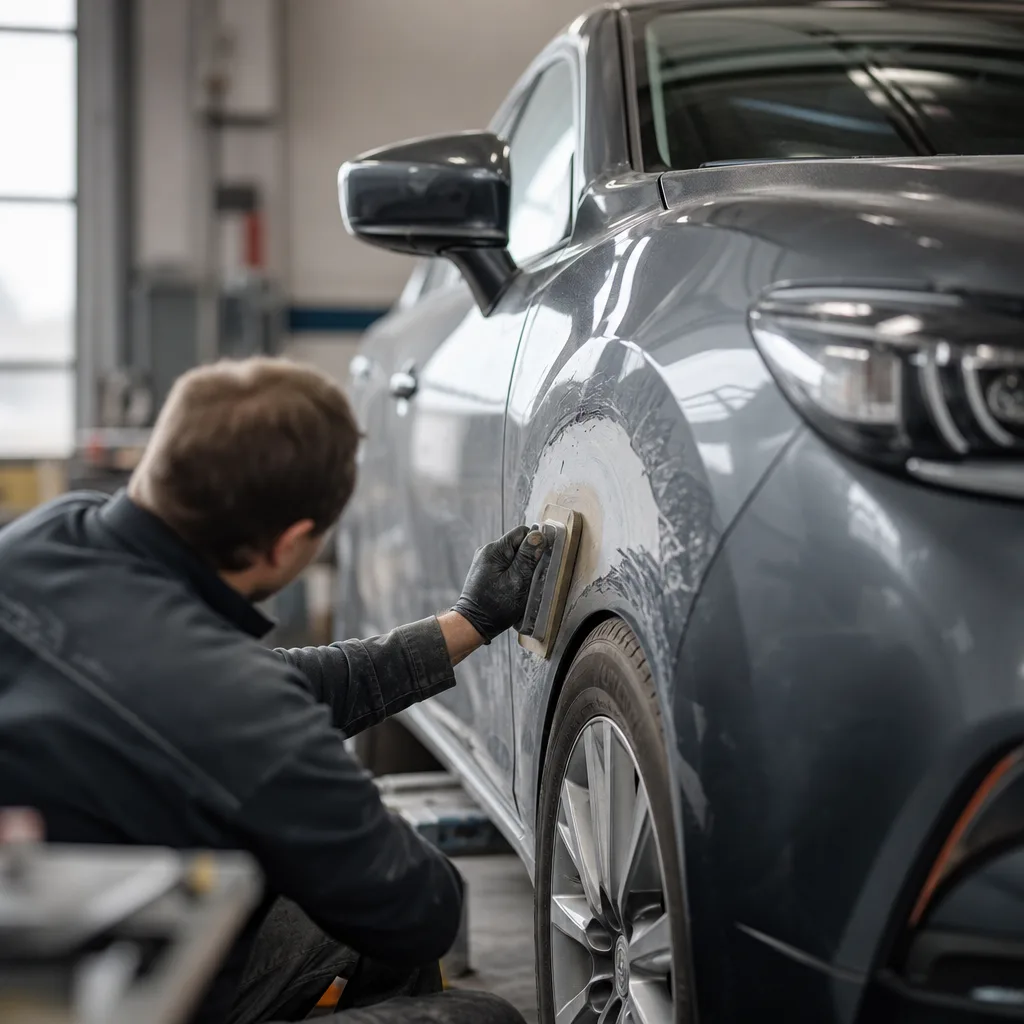
Car bodywork repairs are a common need for UK drivers. From small car park dings to larger accident damage, fixing the body keeps your car looking good.
In this guide, we look at what you might pay in 2026. We explain the factors that change repair costs. You will also learn how to get a fair price.
What affects the cost of car bodywork repair?
The price you pay depends on many things. Even two similar-looking dents can have very different repair bills. Here are the main factors.
Type and extent of damage
A light surface scratch costs much less than a deep dent. Damage that reaches the metal will need more work. The size of the affected area also matters.
If the damage is on a panel with complex curves, the repair takes longer. Bumpers are often simpler to fix. But replacing a whole panel is pricier.
Your car's make and model
Repair costs vary between different car brands. A luxury car usually needs more expensive parts. The paint type can also push the price up.
Some cars have sensors behind the bumper. These might need recalibration after a repair. This adds to the final bill. Always ask about this upfront.
Where you live
Labour rates are not the same everywhere in the UK. Expect to pay more in London and the South East. Shops in the North or Wales often charge less.
Mobile repair services can sometimes offer lower prices. They have fewer overheads than a large garage. We discuss this option later on.
Paint and materials
Matching the exact colour of your car is a skilled job. Metallic or pearlescent paint is harder to blend. This means extra time and a higher cost.
If the damage covers a large area, a full respray might be needed. That costs a lot more than a spot repair. The quality of paint also affects durability.
Typical costs for common repairs in 2026
We based these price ranges on recent industry data. They include labour, materials and VAT. Head to our automotive hub for more services.
Remember, these are general estimates. The best way is to get quotes. Use TrustValet to find local auto body repair services you can trust.
Scratch repair
A light surface scratch might cost £80 to £150. A deeper scratch that needs paint can be £150 to £300. Prices go up if the scratch is on several panels.
Dent repair
Small dents, like those from a car door, often cost £75 to £150. Paintless dent removal is a cheaper option. Larger dents requiring filler and paint range from £200 to £500.
Bumper repair
A scuffed bumper might be repaired for £150 to £300. A crack or split could be £250 to £450. A full bumper replacement often exceeds £500.
Panel replacement and welding
Replacing a wing panel can cost £400 to £800. A new door skin might be £500 to £1,000. If welding is needed on a sill or arch, budget at least £300.
Full respray
A professional full respray can range from £2,000 to £5,000. The price depends on the car size and paint type. Always check examples of the shop's work first.
How to get an accurate quote
The best way to know the cost is to ask for several prices. Compare quotes carefully. Check what is included before you agree to the work.
Get multiple estimates
Try to get at least three written quotes. Use local auto repair shops and dedicated bodywork centres. Ask for a breakdown of parts and labour.
Mobile repairers can also give you a quote. They sometimes cost less than a high-street garage. Always read reviews before you book. Our guide on reading online reviews can help.
Ask the right questions
You need to know exactly what the price covers. Does it include VAT? How long will the repair take? Some shops might offer a courtesy car.
Ask if they use genuine parts or pattern parts. Both can be fine, but genuine parts often fit better. Pattern parts might reduce the cost. Read our list of seven questions to ask before you hire.
Ways to reduce the cost
Car bodywork repair does not always have to break the bank. Here are a few ideas to keep the bill under control. Think about what works best for your situation.
Claiming on your insurance
If the damage came from an accident, your insurance might pay. But check your excess first. Sometimes the repair cost is less than the excess fee.
Making a claim could also affect your no-claims bonus. It might be cheaper to pay yourself. Always weigh the full cost before you decide.
Using a mobile repair service
Mobile repairers come to your home or workplace. They have lower overheads. This can mean a lower price for you.
They are best for small-to-medium jobs. Large structural repairs still need a full workshop. Make sure the mobile service is well-reviewed and insured.
Choosing an independent garage
Main dealerships often charge the highest rates. An independent garage can be a better value. Many have skilled technicians with the same training.
Check for accreditations like the Consumer Rights Act guidance on services. A garage should always provide a clear invoice and warranty on work.
How to choose a trustworthy repair shop
Finding a garage you can trust is very important. A bad repair can lead to rust or paint problems later. Spend time researching before you book.
Check reviews and ratings
Look at Google, Trustpilot, and local Facebook groups. Read what other customers say about the quality. Pay attention to how the business replies to complaints.
Our complete guide on choosing a trustworthy professional walks you through the steps. A few minutes of research can save you a big headache.
Look for accreditations
Many good garages are members of trade bodies. The Retail Motor Industry Federation and the British Damage Management Association are two examples. These groups set standards for their members.
Accreditations mean the shop meets certain quality and safety rules. They are not a guarantee, but they are a positive sign. Combine this with your own checks.
Avoid common scams
Be careful if a quote seems far too cheap. Some shops may use poor paint or skip important steps. A low price can mean a repair that does not last.
Never pay the full amount before the work is done. A deposit is normal, but the rest should be on completion. If you have a problem, Citizens Advice has steps you can take.
DIY vs professional repair
You might think about fixing the damage yourself. DIY kits are sold in many car shops. These can work for very small issues, but they have limits.
When DIY might make sense
Light surface scratches that do not go through the colour coat can be polished out. You can buy scratch removal paste. This is low-risk and costs under £20.
Very small stone chips can be touched up with a colour-matched pen. You must be careful to follow the instructions. The result is rarely perfect, but it stops rust.
Risks of doing it yourself
Painting a panel at home is hard to get right. The colour might not match. Drips or dust in the paint can make the damage look worse.
If the metal is exposed, the repair needs to seal it properly. Bad prep work can lead to rust under the paint. Professional auto body repair techniques are designed to prevent this.
Welding and structural work are never DIY jobs. The car's safety could be affected. The MOT inspection manual sets strict rules on body condition.
Final thoughts on 2026 repair costs
Car bodywork repair prices can range from under £100 to several thousand pounds. The key is understanding what affects the cost. Do your homework before you choose a repairer.
Use TrustValet to find a rated-bodyshop near you. Compare quotes and ask questions. A little effort now can keep your car looking great and protect its value.
For more tips on hiring services, explore our library of free guides. We help you make smarter choices across all trades.
Frequently asked questions
Is car bodywork repair covered by insurance?
It depends on your policy. Fully comprehensive insurance usually covers accidental damage to your own car, but you have to pay the excess. If the repair cost is less than your excess, it is not worth claiming. Making a claim may also increase your premium next year.
Can I repair a deep scratch myself?
You can try a DIY touch-up kit for very small stone chips or light scratches. For deep scratches that go through to the primer or metal, a DIY repair often looks worse. It is usually better to let a professional do the paintwork to get an invisible finish.
How long does a bodywork repair take?
Small repairs like scratch or dent removal can often be done in a day. Larger jobs such as panel replacement or welding may take several days. Painting adds extra time for drying and curing. Always ask for a time estimate when you get a quote.
Will bodywork repair affect my car's value?
A good quality repair should not affect your car's value very much. If the repair is invisible and done to a high standard, most buyers will not notice. A poor repair with mismatched paint or rust bubbles, however, can lower the car's appeal and value.
Do I need to inform my insurance about a repair?
If you pay for the repair yourself and no claim is made, you do not have to tell your insurer. However, if the damage happened because of an accident and you decide not to claim, some insurers still want to know. Check your policy wording to be safe.